





















By Juliet Makwama

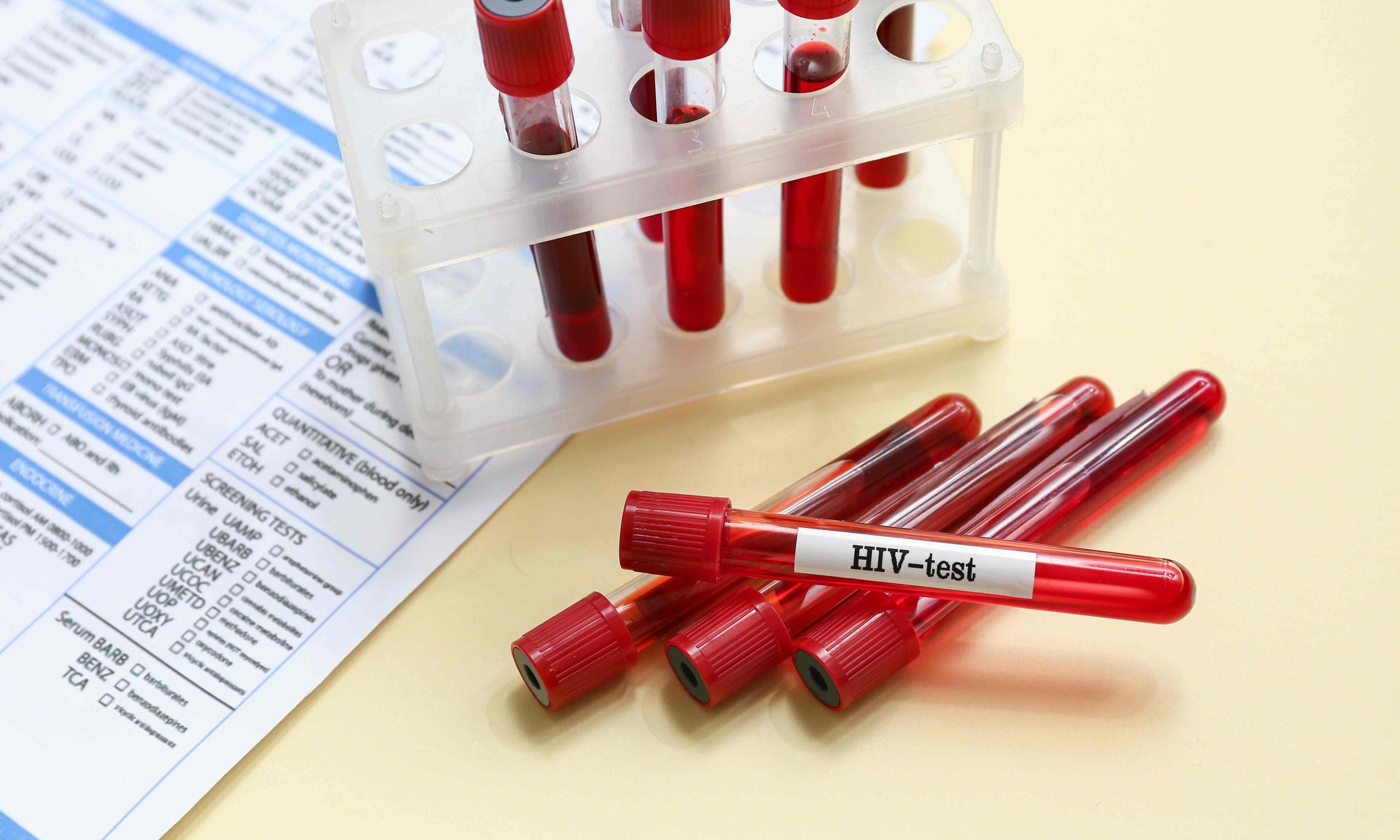
The trend of adolescents between the age of 15 and 24 not utilising pre-exposure prophylaxis (PrEP) has continued despite them being more at risk of HIV infection due to their exposure, a situation that raises concern among stakeholders.
The Zambia National Public Health Institute ZNPHI however said some key gaps have also generally been noted in PrEP uptake even in those above 25, and prevailing scale up is a challenge as some individuals find some drugs not to be user friendly since they have to be taken everyday.
ZNPHI Public Health Specialist Dr Paul Zulu is hopeful that the recently launched PrEP injectable lenacapavir which will be administered twice a year will encourage more people to utilise PrEP as protection against HIV infection.
Speaking during a virtual meeting organised by the Media Science Science Cafe (MESICA), Dr Zulu expressed optimism that the recently procured twice a year PrEP lenacapavir will be rolled out to other facilities besides the University Teaching Hospital UTH and Chawama Level One Hospital to create more options for people.
Dr Zulu said Zambia is committed to ensuring the uptake of PrEP is upscaled with more eligible people accessing the drugs.
On World AIDS Day which fell on December 1, The Ministry of Health launched the Lenacapavir roll up to facilities which will start with UTH and Chawama Level One Hospital.
Lenacapavir is a PrEP injectable treatment providing six months of protection with a single dose for HIV-negative individuals.
It will be offered free of charge to HIV negative people, making it one of the most accessible HIV prevention tools available in Zambia.
Dr Zulu said age groups above 25 are still leading in PrEP uptake, while there is still a challenge with those between 15 and 24 despite them being sexually active.
And Dr Zulu said to upscale PrEP access, plans to underway to incorporate it in other services such as family planning and private pharmacies .
Dr Zulu said it is hoped that this will increase access and help Zambia reduce new HIV infections.
Meanwhile, The Health Communicators Forum of Zimbabwe Chairperson Anna Miti to dig deeper when it comes to the HIV/AIDS story, and not give platforms to biased unsubstantiated comments.
She noted with concern that in some cases, the media is giving platforms to social media players and influencers who are not scientists, and that there is need to move away from such.
Ms Miti said instead of focussing on press statements, journalists need to go in depth and ask accountability questions on issues that affect people.
Meanwhile, Ms Miti noted that the United States US withdrawal from finding HIV/AIDS interventions calls for the media to keep the HIV story alive and tell it from various angles in order to keep the momentum in the fight against the disease.
Ms Miti said the media in Africa should not be fatigued to report on HIV/AIDS as Africa still has the highest burden of the disease, and continued effort is needed against it.
She said away from covering press statements, the media must ask further questions for the sake of those affected.